
Digital business cards for content creators
Your media kit, handed over in person.
You are hired on the strength of an audience, which means the thing a brand needs from you is not a phone number - it is reach, demographics, past collaborations and a rate. Today that arrives as a PDF you send at eleven at night. A tap puts it on the brand manager's phone while you are still in front of them.
Card ₹1,699 once · profile from ₹199/year
Your logo printed free · usually arrives in 7-10 days
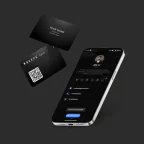
Read our Google reviewsA digital business card for a content creator is a profile that carries your media kit: reach, audience, past brand work, rates and how to reach you. It opens with a tap on your card or a link, so a brand manager has it during the meeting instead of a PDF that night. The NFC card is ₹1,699 once, and the profile from ₹199 a year.
You are the only profession that has to hand over numbers about yourself
A lawyer is hired on judgement, a photographer on a portfolio, a supplier on price and reliability. A creator is hired on an audience, and an audience is a set of figures - how many people, where they are, how old they are, how many of them actually watch to the end. No amount of good taste substitutes for that, because the brand manager has a spreadsheet to fill in and your name has to come with numbers attached.
Which is why the media kit exists, and why it is almost always in the wrong place. It sits as a PDF on your phone and gets sent hours after the conversation that prompted it, into an inbox where it competes with everything else that landed that day. The information was never the problem. The timing was.
Three things that change when the kit travels with you
Six things a creator's profile should carry
Your audience, in real numbers
Reach, follower count, top cities or age bands, typical engagement. Only what your own platform analytics can back up - a brand will check before signing.
Past collaborations
Brands you have worked with and what you produced for them. This is the single most persuasive block on the page for a brand manager deciding whether you are a safe choice.
A rate card by deliverable
Reel, post, story set, campaign. Publishing it ends the enquiries whose budget was never in range, which is most of the ones that waste a week.
Every platform, in one place
Instagram, YouTube, a newsletter, a podcast. A brand assessing fit wants to see the whole footprint rather than the one account you happened to mention.
The niche, stated narrowly
"Malayalam food and restaurant reviews in Kochi" gets better-matched offers than "lifestyle creator", and gets you compared on fit rather than on price.
How to actually book you
An enquiry form asking for brand, deliverable, timeline and budget. A DM asking "collab?" is not a brief, and this is how you stop receiving them.
Four rooms a creator gets hired in
Brand events and launches
A room of marketing managers, all being handed the same paper. A tap puts your reach, your past collaborations and your rates on their phone before they have left your corner of the room.
Creator meetups and conferences
Half of collaborations come from other creators passing your name along. A link they can forward carries your niche and your numbers; a remembered handle carries neither.
The agency shortlist
An agency building a roster for a campaign is comparing you against ten others in a spreadsheet. Whoever gave them numbers and rates in a usable form is the one who is easy to put in the deck.
Being recognised in person
Someone knows your work and asks how to reach you for something. One tap, and they have the enquiry form rather than an intention to DM you later that they will not act on.
Three habits that cost creators brand deals
The first is the one that ends relationships rather than just losing a single deal.
Rounding the numbers up
It is the most common habit in this business and the most expensive. Brand managers pull their own analytics before a contract, and a figure that does not match does not just lose the deal - it ends the relationship with an agency who will remember.
Publish only what your dashboard shows
Real reach and honest engagement beat inflated ones, because they survive verification. Smaller and checkable is a stronger commercial position than larger and doubted.
"Lifestyle creator" as the whole description
It describes nearly everyone and rules out nothing, so it puts you in a pile of hundreds where the only remaining basis for comparison is price. Broad positioning feels safer and produces worse offers.
Name the niche and the language
The narrower it is, the more often you are the obvious choice rather than one of many. Specific niches command better rates precisely because fewer people fit them.
Making brands ask for the rate
Without a number, a brand manager either guesses low or moves to a creator who published one. The negotiation you were protecting mostly does not happen; the enquiry just goes elsewhere.
Publish a per-deliverable starting rate
It anchors the conversation and filters the budgets that were never realistic. You can still price a full campaign properly once a real brief arrives.
Setting up a creator profile
Start with the analytics tab open. Everything else on the page depends on those numbers being real.
- Open your platform analytics and write down the real numbers before you build anything. Whatever goes on the page must match what a brand will see when they check.
- Pick your three strongest past collaborations and name what you produced for each. This is the block brand managers read first.
- Set a starting rate per deliverable. If you genuinely cannot, publish what a typical collaboration includes instead - but publish something.
- Narrow your niche description until it excludes work you do not want. Include the language you create in, which matters more in India than most creators account for.
- Replace "DM for collab" with an enquiry form that asks for brand, deliverable, timeline and budget. It is the single change that most improves the quality of what arrives.
What a printed card cannot carry
| Capability | Printed card | Beeps Card |
|---|---|---|
| Your name and handle | Printed card✓ | Beeps Card✓ |
| Audience reach and demographics | Printed card✕ | Beeps Card✓ |
| Past brand collaborations | Printed card✕ | Beeps Card✓ |
| Rate card by deliverable | Printed card✕ | Beeps Card✓ |
| Every platform in one place | Printed card✕ | Beeps Card✓ |
| A brief, instead of "collab?" | Printed card✕ | Beeps Card✓ |
| Update numbers as you grow | Printed card✕ | Beeps Card✓ |
| Take a direct payment | Printed card✕ | Beeps Card✓ Pro |
What a creator actually pays
Most creators start with the profile alone and print the QR on whatever they already hand out. The card is worth adding once you are regularly meeting brands in person.
More for creators
Shooting for clients rather than for your own audience? See Beeps for photographers. Promoting a coaching brand? Endorsers answer for the claims they repeat, as the coaching centres page explains. Working brand-side rather than creator-side? See Beeps for marketing professionals, or browse every profession we have written for.
What creators ask first
How is this different from just sending my media kit?
Mostly in when it arrives. A media kit is a PDF you send after the meeting, from your phone, usually late, and it lands in an inbox where it competes with everything else that day. A tap puts the same information on the brand manager's phone while you are still in front of them, which is the only moment you are certain of their attention.
My Instagram is my portfolio. Why do I need a separate page?
Instagram is where you get discovered and it is poor at being handed over. It shows your most recent posts rather than your best work, it is ordered by date instead of by what this brand came to see, and there is nowhere in it for your rate card, your past collaborations or your audience breakdown. Keep the account. The profile is the thing you give someone.
Should I put my rates on it?
A rate per deliverable, usually yes - a reel, a post, a story set, a full campaign. It removes the brands whose budget was never going to reach you, which in this business is a large share of the enquiries. If your pricing genuinely varies by campaign, publish the shape instead: what a typical collaboration includes and how you price it.
What audience numbers should I show?
Whatever you can substantiate from your own platform analytics, and nothing you cannot. Reach, follower count, the top cities or age bands, and typical engagement on a recent campaign. A brand manager will verify these before signing anything, so an inflated figure does not survive the first check and costs you the relationship rather than the deal.
Can I take a payment or advance through it?
Yes, on Pro at ₹299/year, which adds UPI collection. It is most useful for smaller direct collaborations and barter-plus-fee arrangements where there is no procurement process to route an invoice through. For larger brand deals you will still be invoicing properly.
What does it cost?
The profile is ₹199/year on Basic - collaborations, rate card, links to every platform and an enquiry form. Pro at ₹299/year adds UPI, analytics and removal of Beeps branding, which most creators want because the page is part of how they present themselves. The card is ₹1,699 once and optional; plenty of creators use the QR and link alone.
Stop emailing the media kit
at eleven at night.
Reach, collaborations and rates on their phone while you are still in the room. Profile from ₹199/year.
Questions first? Ask us on WhatsApp - 24/7, usually an instant reply.